2026
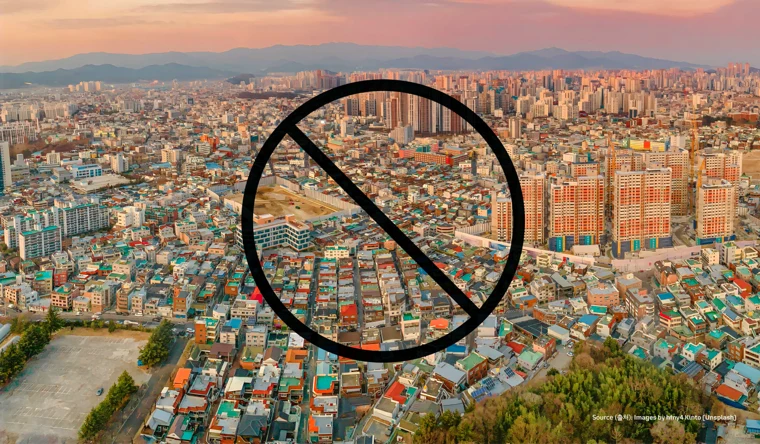
What changes when we redesign permission in cities?
도시의 허가를 바꾸면 무엇이 달라지는가Why changing the conditions of permission can open new possibilities for cities.
Thread 03Civic LedgerEssay 1
Civic Ledger Archive
My practice follows how hidden systems become visible, how alternatives are built before institutions are ready, and how experiments can become governance infrastructure. It moves across art, design, civic technology, public institutions, and land—not to present finished answers, but to make questions visible, test what might be possible, and seed forms of shared life that can endure. Increasingly, the work is turning toward repair, stewardship, and what people and places ask us to sustain over time.
“At the very least, we need to strive to understand the art of deep listening, practice patience, and explore unknown spaces.”
— Eunji Kang, Design Decode ↗Since 2006, I have followed this question through art, design, civic technology, and governance infrastructure. This website is not a record of finished answers. It is a place to gather what the work has taught me, make the questions visible, and plant small seeds for what might be tested, cared for, or carried forward by others. The inquiry is still forming—now turning toward land, repair, stewardship, and the slower work of remaining accountable to people and places over time.
The work does not divide cleanly into methods or disciplines. It moves through four registers of the same inquiry: learning to see the forces shaping a system, building alternatives before institutions are ready, designing rules that can learn, and attending to what places require beyond institutional change.
Projects are not isolated case studies. Each is one point in a longer position being worked out across systems, prototypes, rules, and places.
Essays, field notes, and research published here and elsewhere. Writing is where the work gets questioned — where a project becomes a position and a position becomes a question again.
Why changing the conditions of permission can open new possibilities for cities.
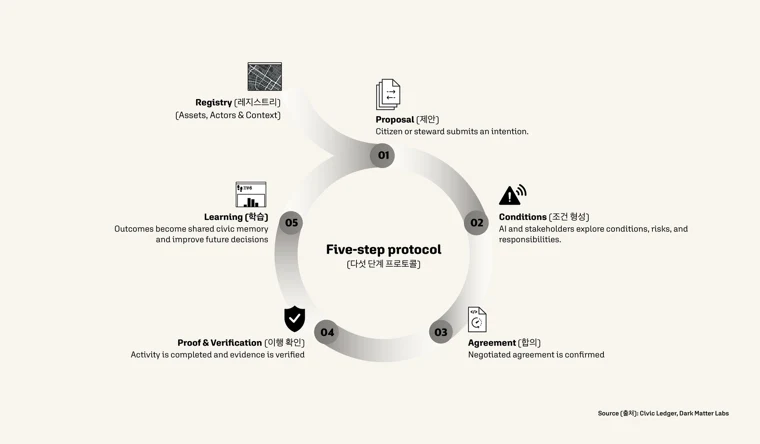
How dialogue, shared conditions, and fulfilment records can inform the next permission decision.

How evidence of conditions and responsibilities can make trust usable in urban governance.
How AI might widen the options people can question, negotiate, and shape together.
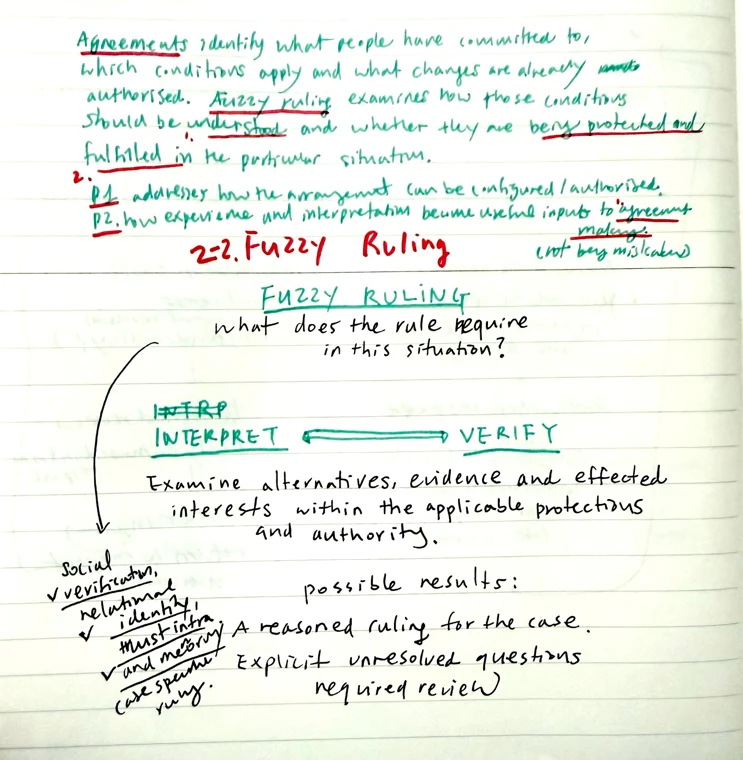
How shared interpretation and verification could preserve protection while leaving room for judgement.

The Civic Ledger is not a chatbot. It is an attempt to redesign the moment of negotiation between a citizen and a city — and what that redesign reveals about where governance has been failing.
First observations from UnRavel LLC — what post-mining land requires institutionally, and why the governance tools we have were designed for growth rather than withdrawal.
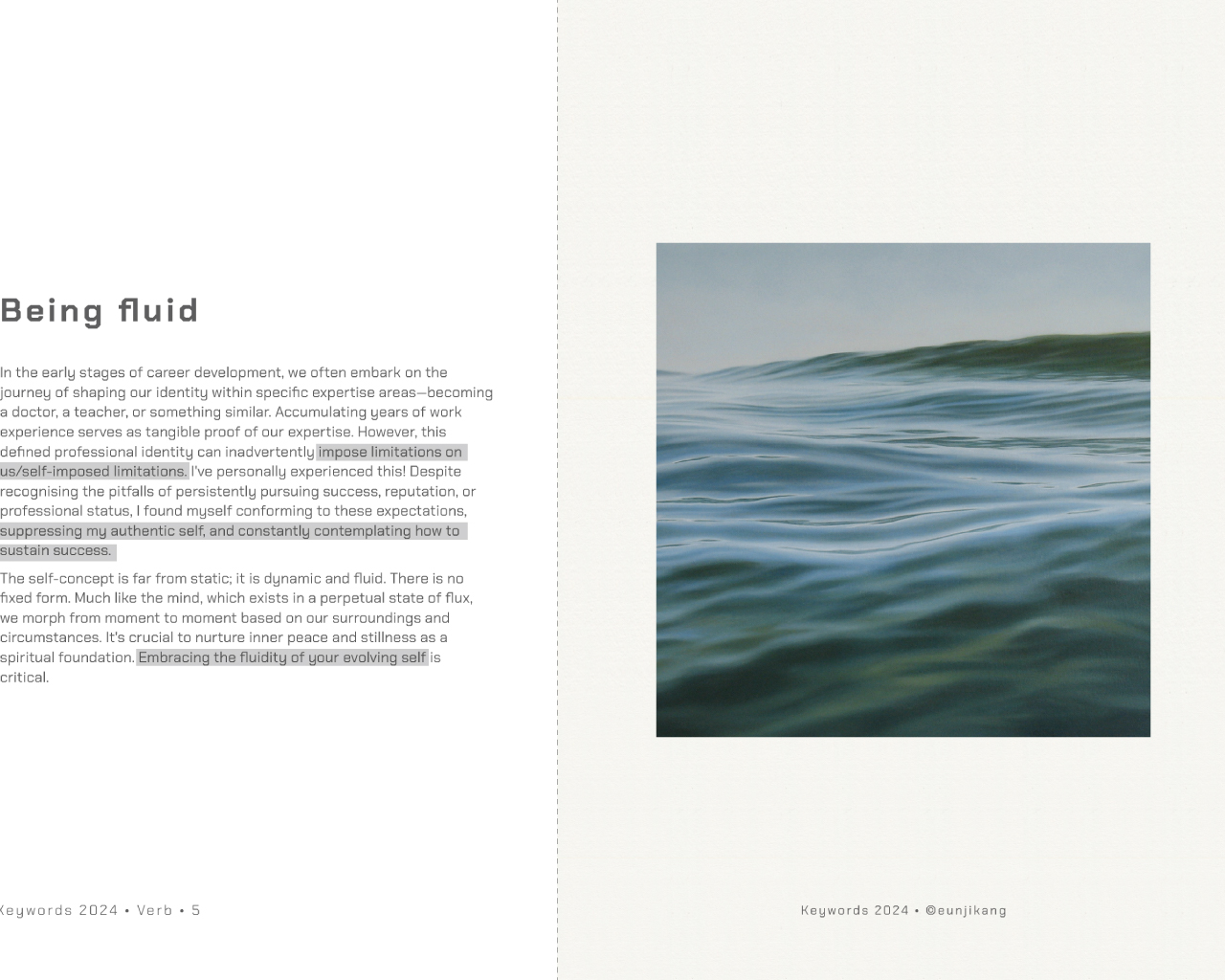
A reflective text on the language that shaped the year and the conditions under which attention becomes a form of direction.
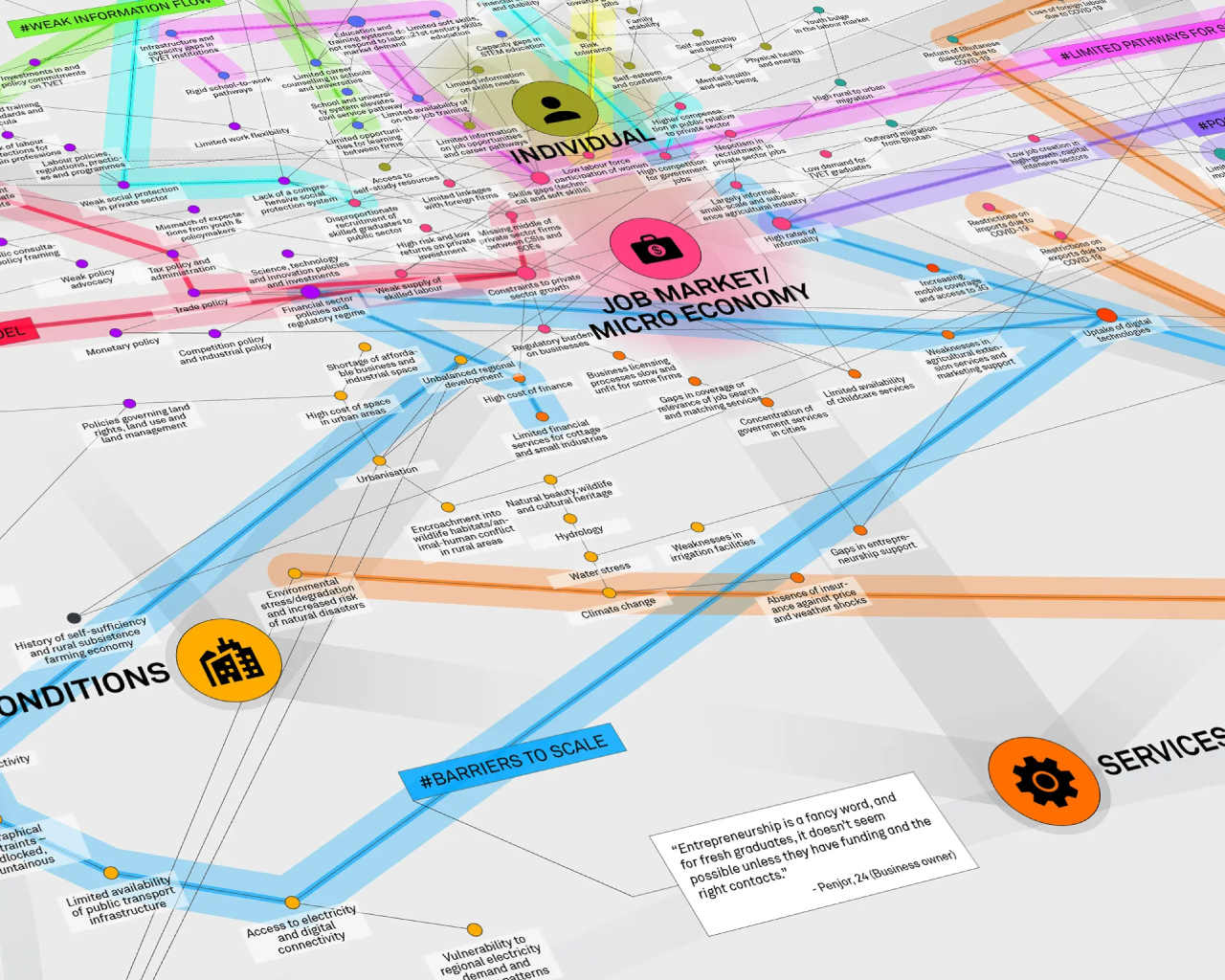
How participatory mapping can make hidden relationships visible and create a shared basis for institutional action.
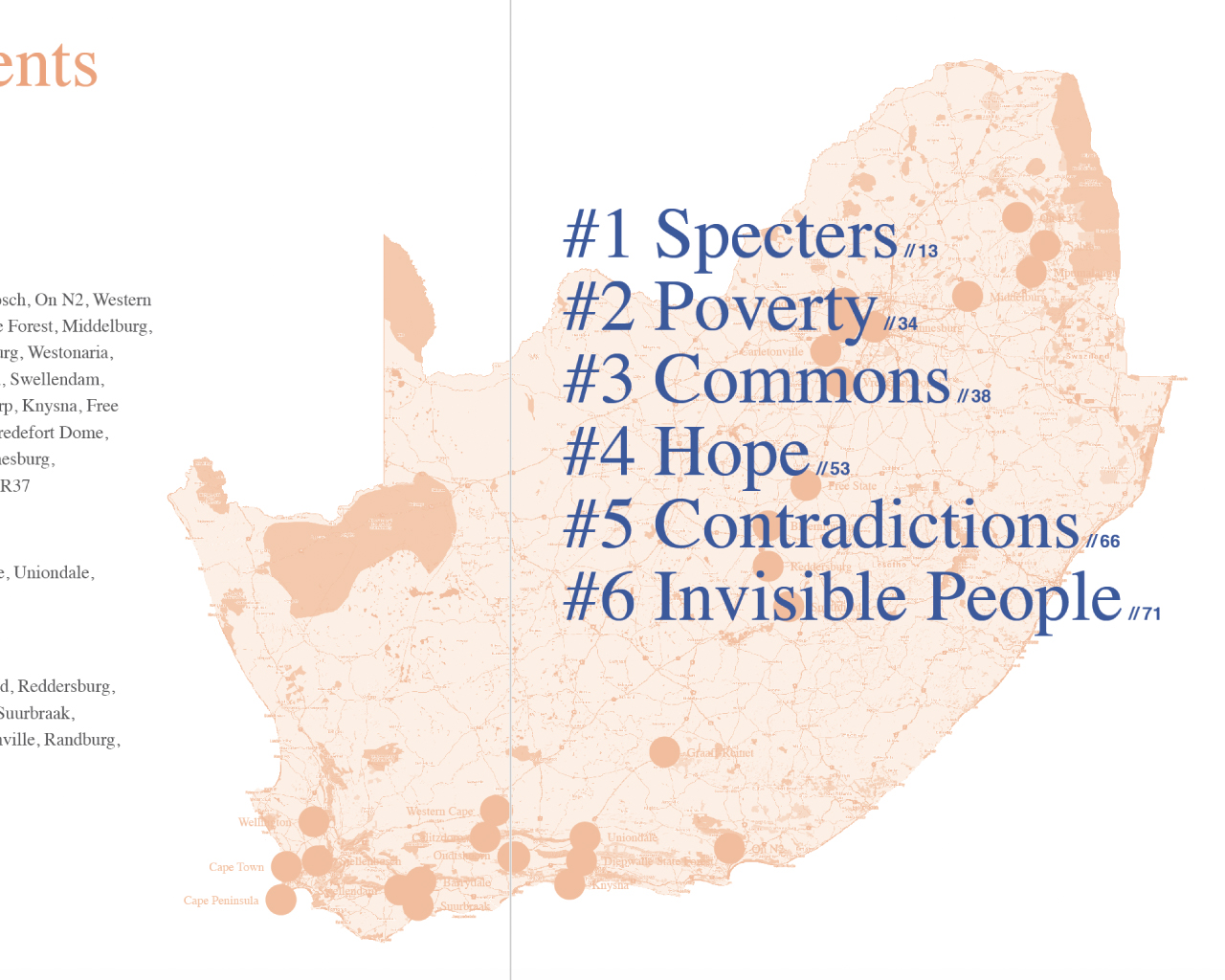
A visual ethnography of people, place, everyday systems, and the questions that emerge through situated observation.
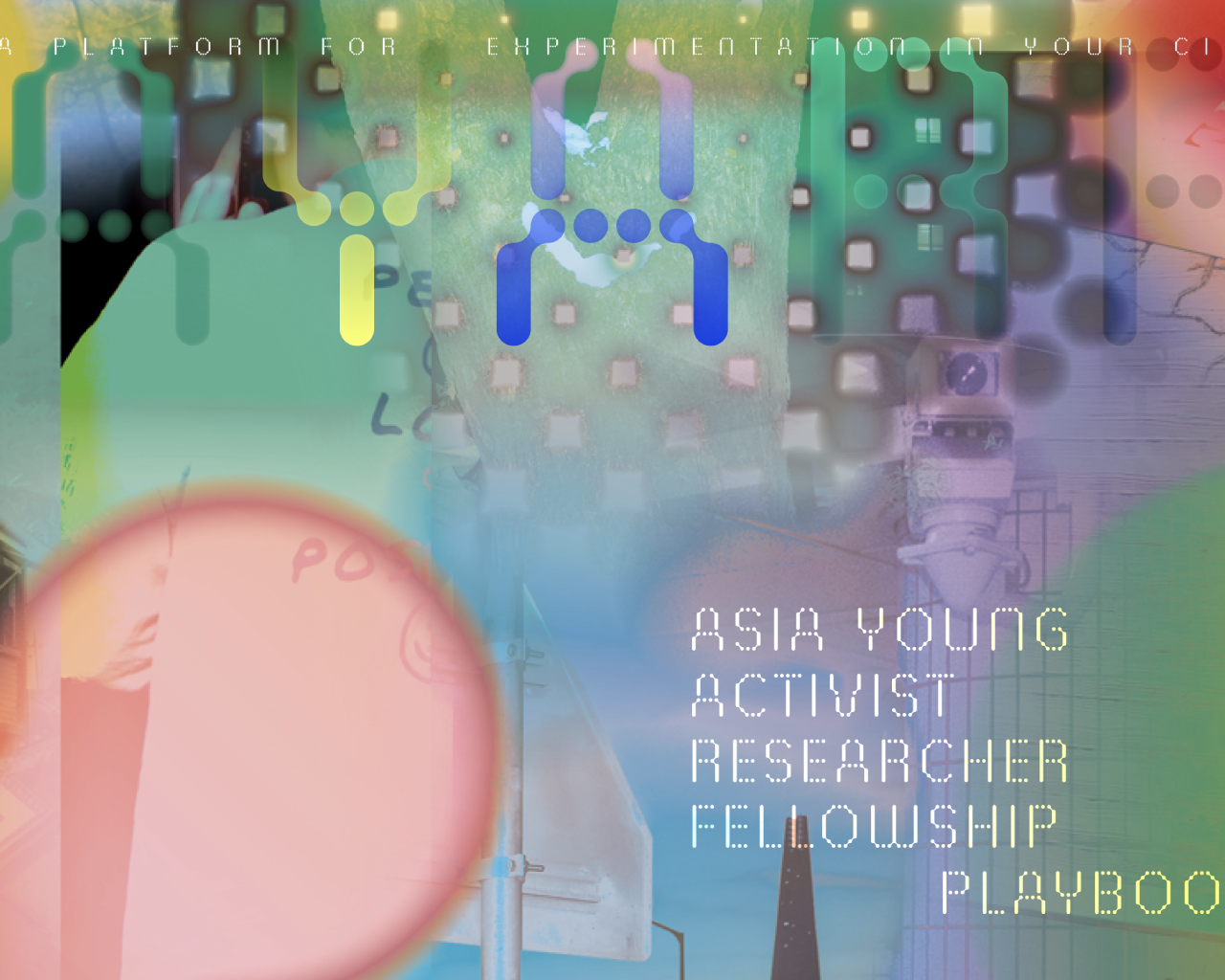
A practical record of the fellowship methodology, learning structure, and tools developed with young activist-researchers.
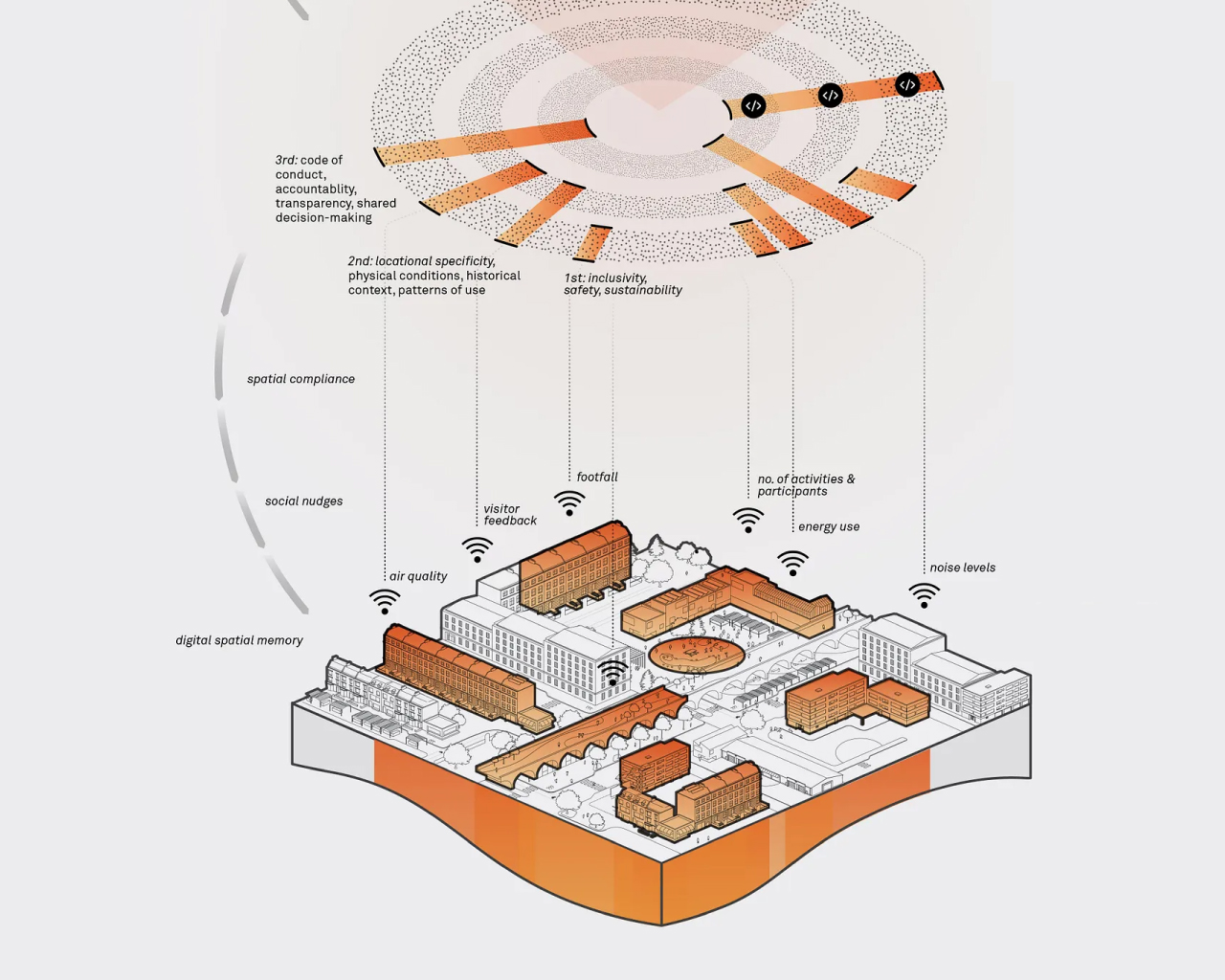
Dark Matter Labs writing on permissioning, underused urban assets, and emerging civic economies.
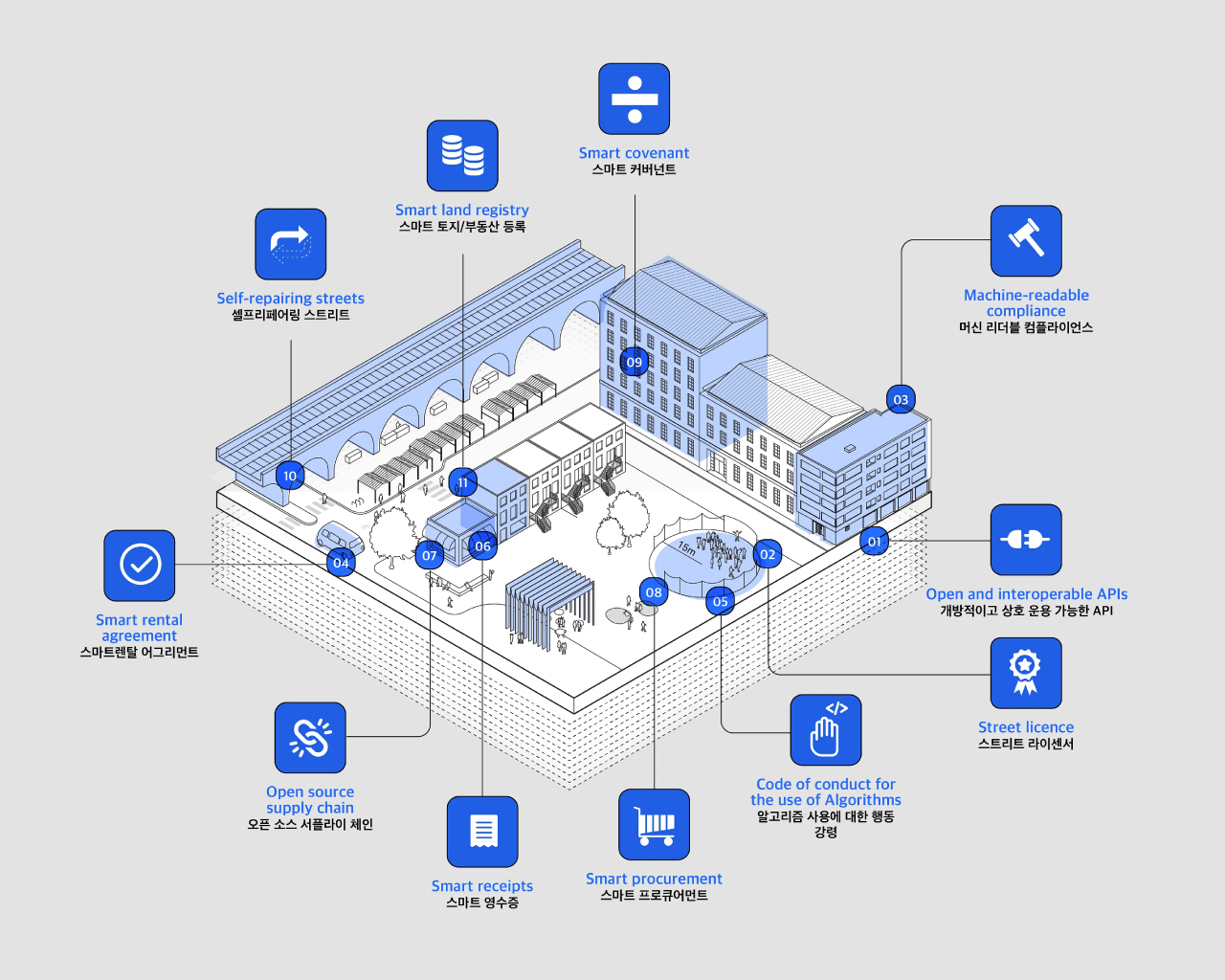
Writing on humane urban governance and the changing relationship between civic systems and technology.
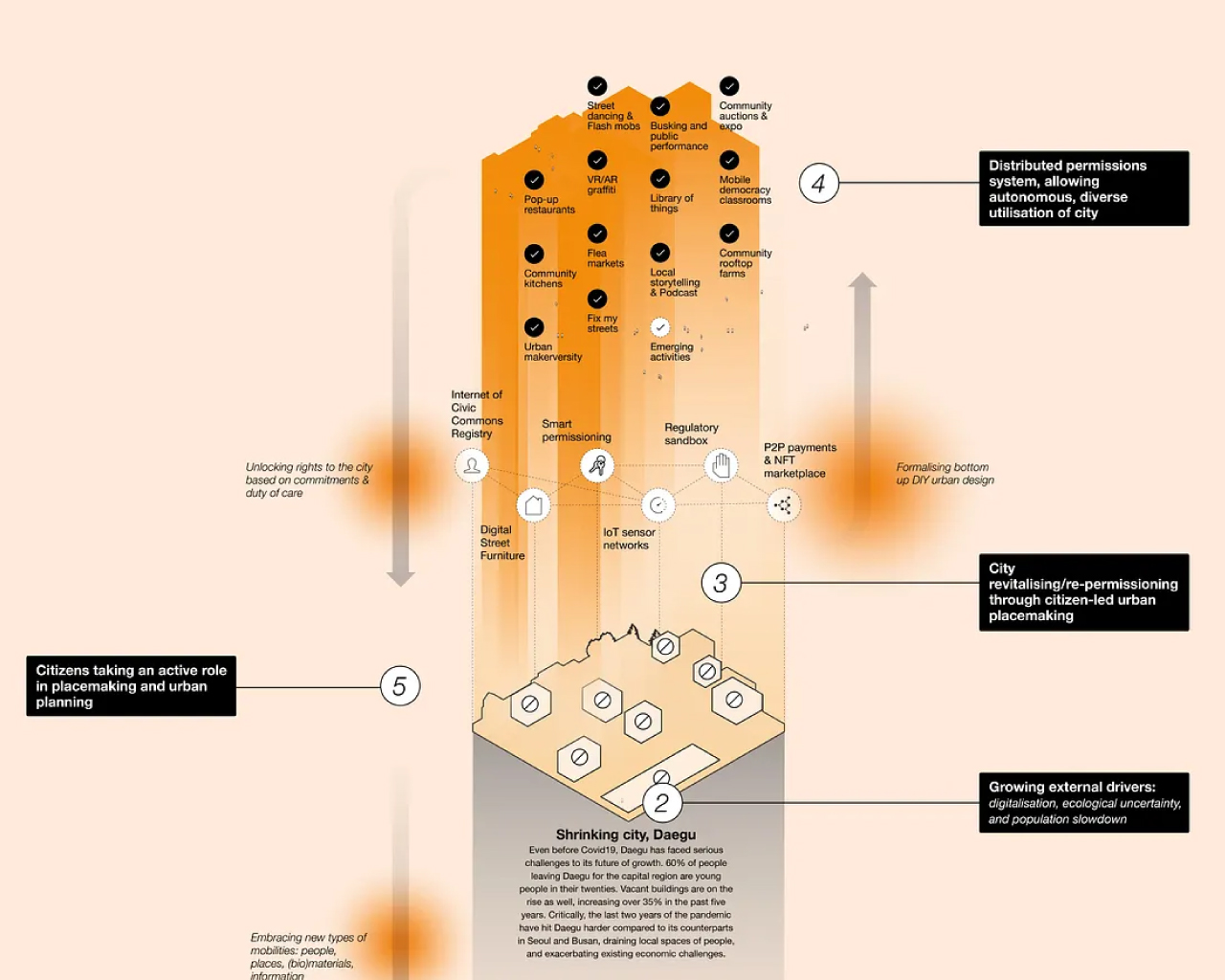
Part of the Dark Matter Labs Korea writing series.
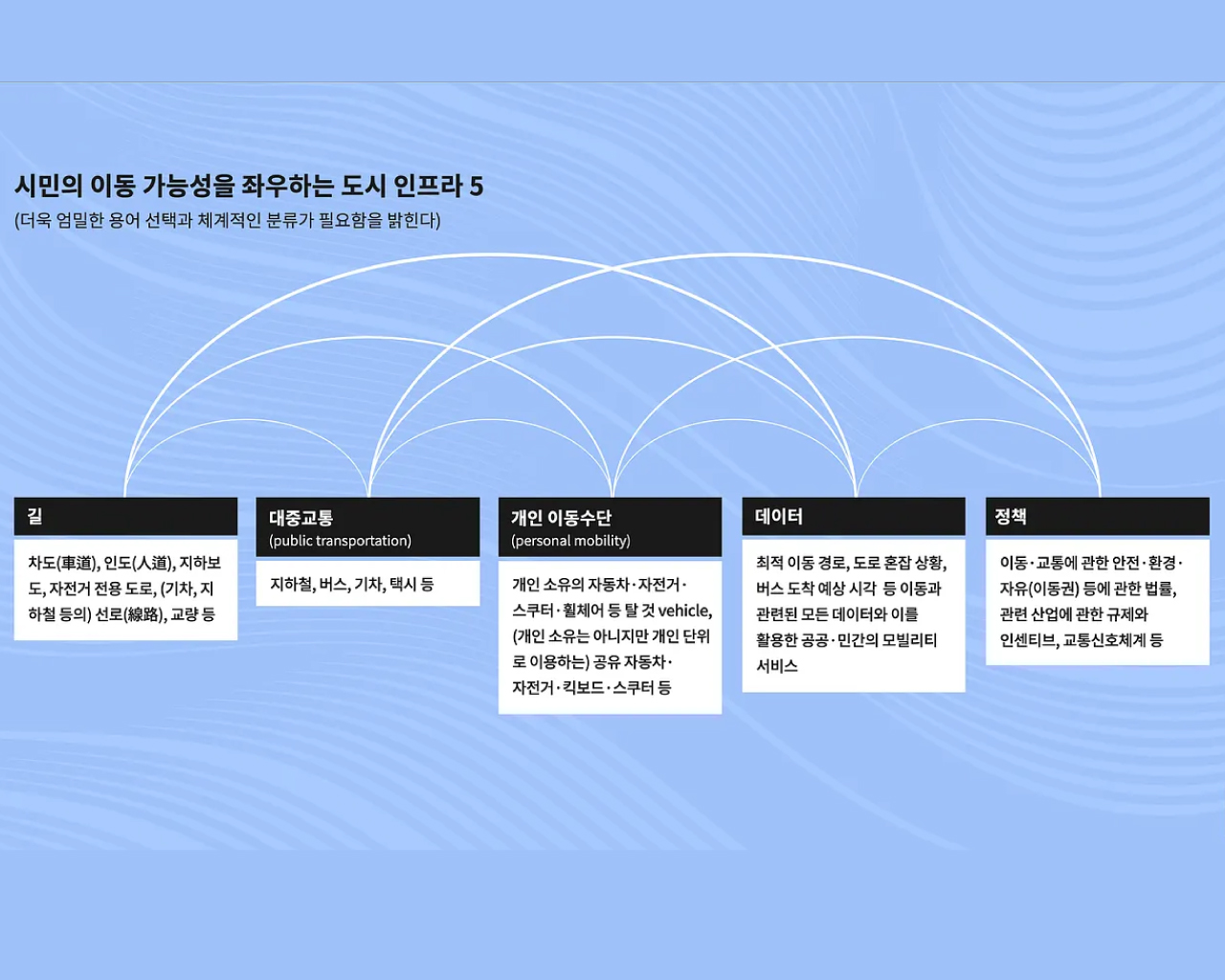
Part of the Dark Matter Labs Korea writing series.
Part of the Dark Matter Labs Korea writing series.
Part of the Dark Matter Labs Korea writing series.
Part of the Dark Matter Labs Korea writing series.
Part of the Dark Matter Labs Korea writing series.
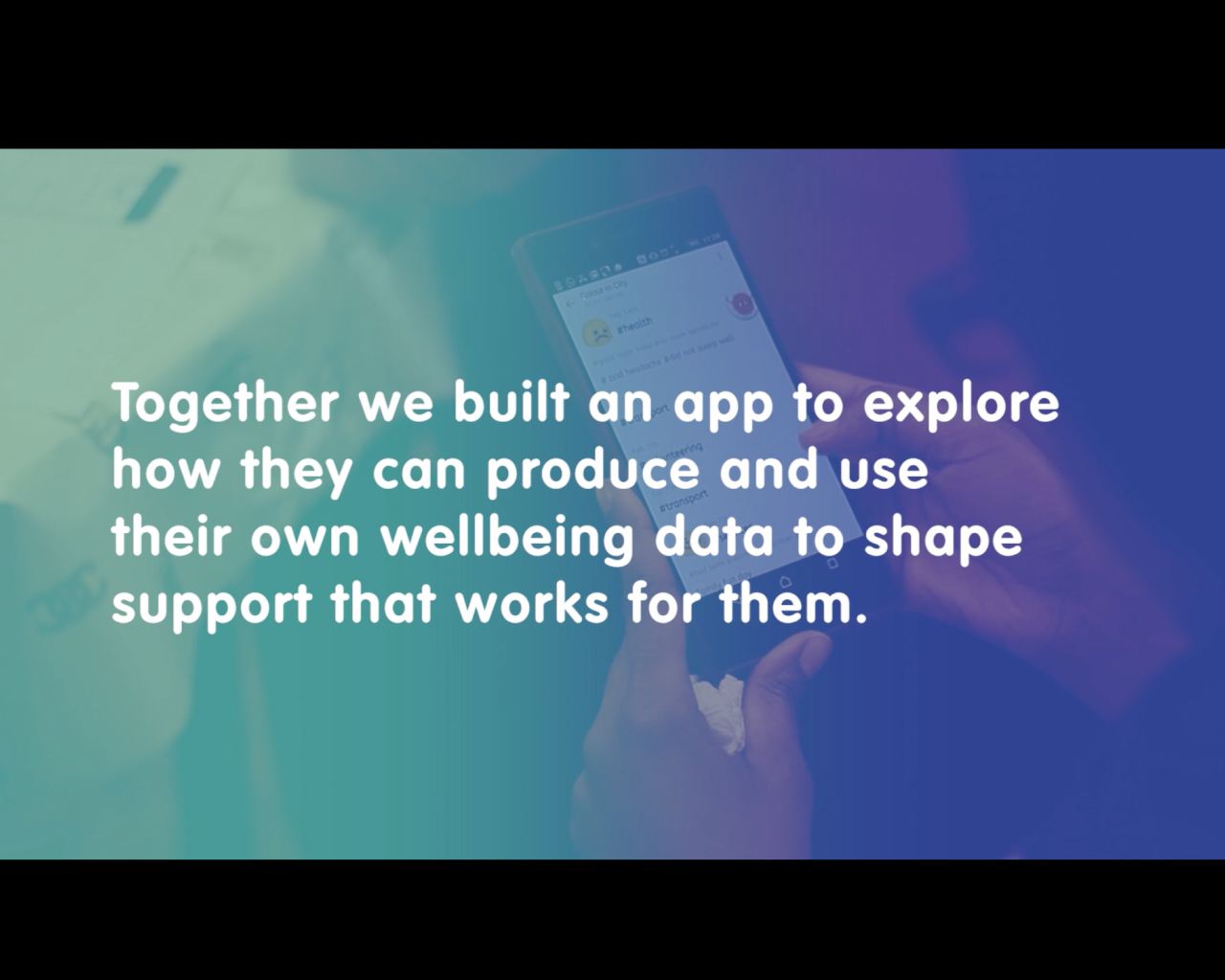
From the Colour-in City writing series.
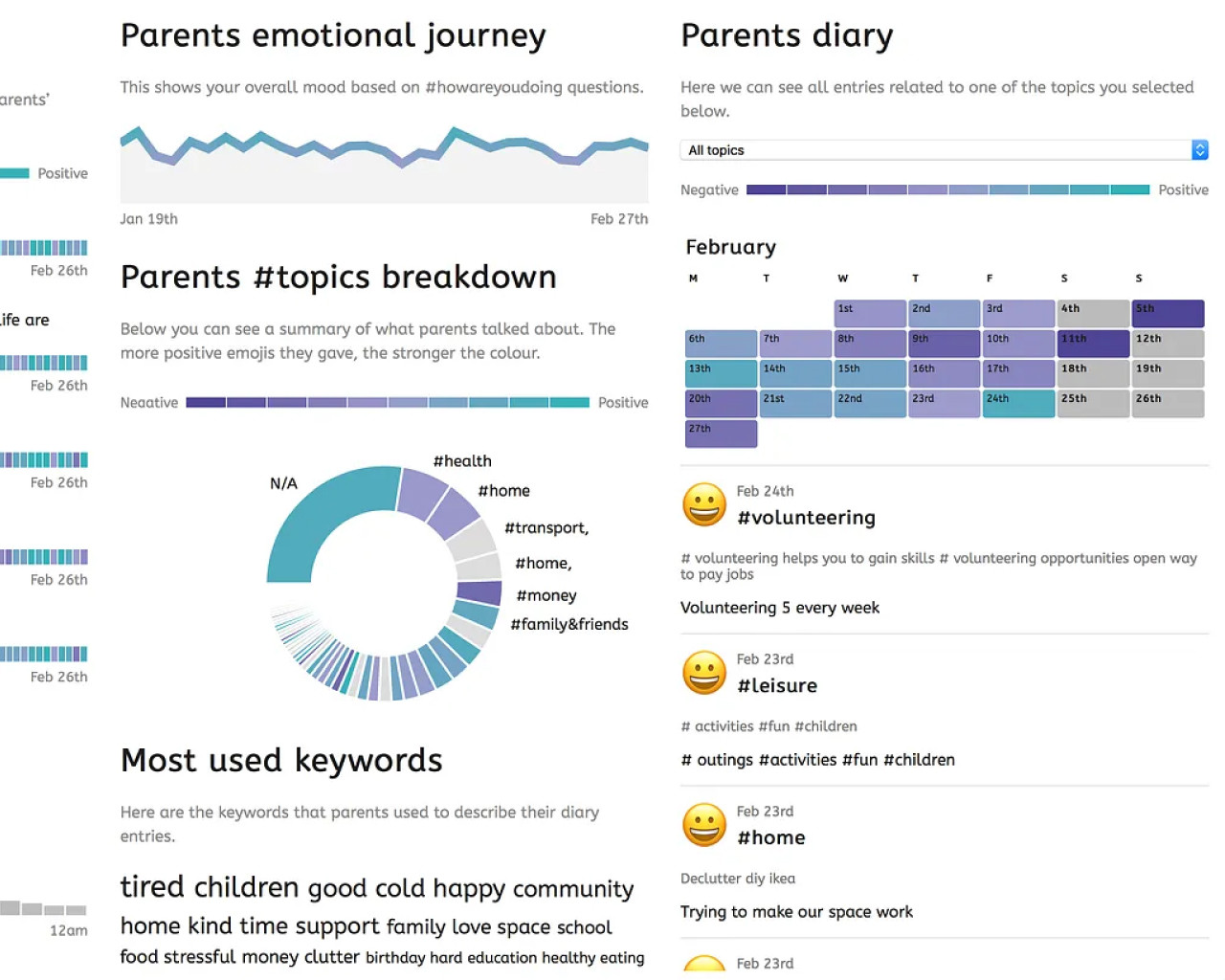
From the Colour-in City writing series.

From the Colour-in City writing series.
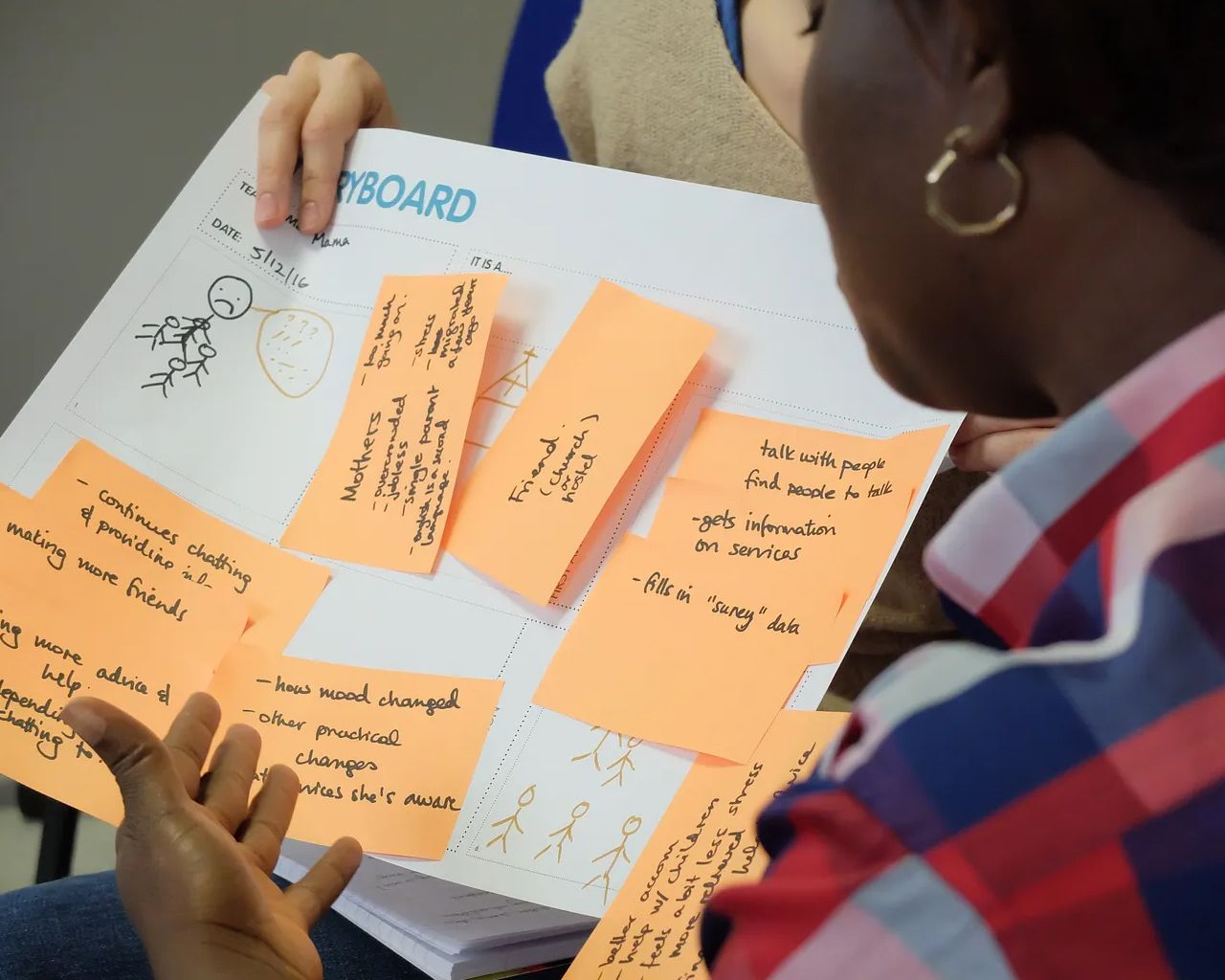
From the Colour-in City writing series.
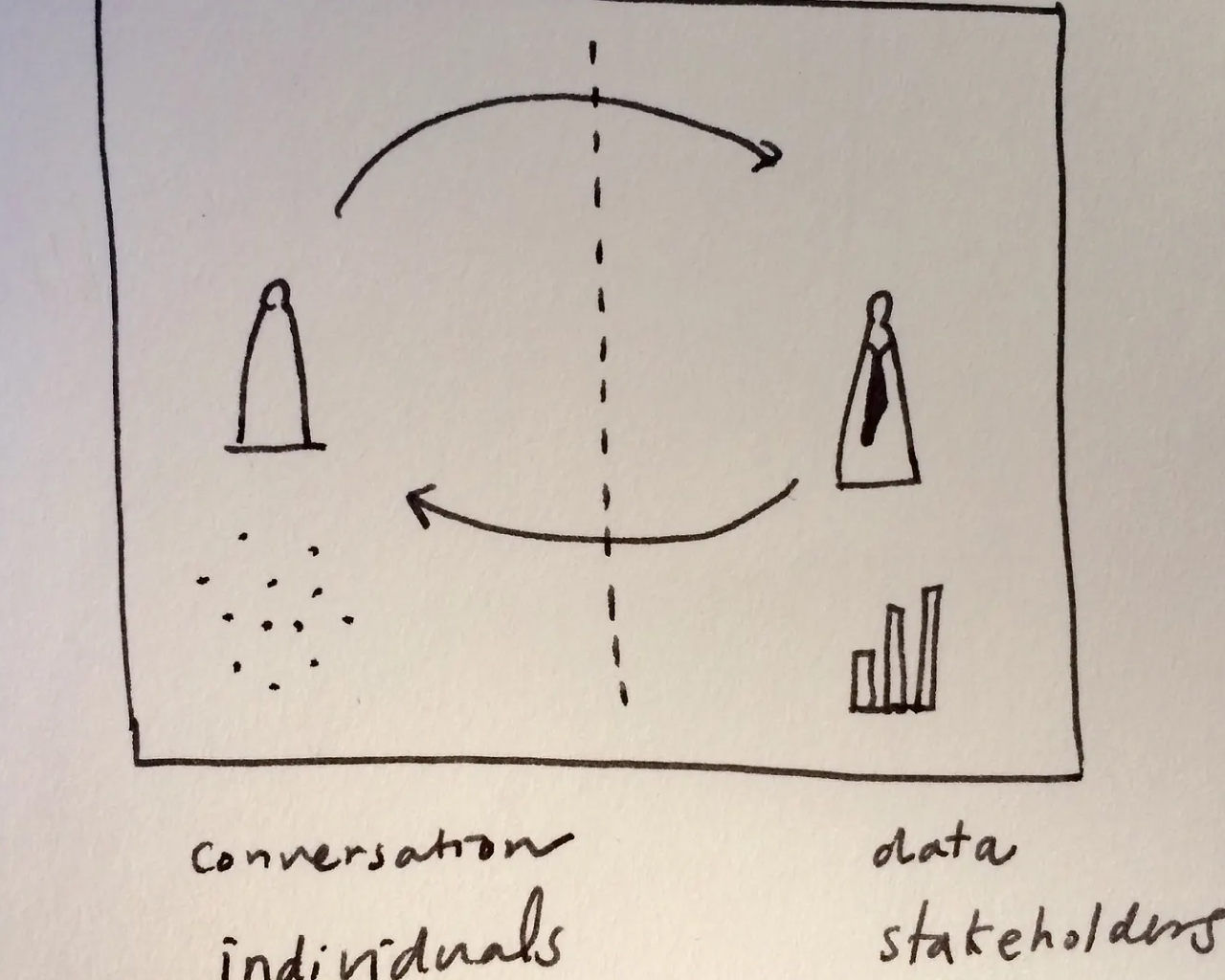
From the Colour-in City writing series.
From the Colour-in City writing series.
For the first years of my career, “I would prefer not to” was quietly becoming my position. I entered design through the work the industry most readily offered: publishing, advertising, branding, and communication in support of sales. I learned how to make things clearer, more desirable, and easier to consume, but became increasingly uneasy with design as a supporting function for mass production and consumerism. The project ended at delivery, while its social and ecological consequences continued beyond the designer’s responsibility. I began asking whether design could do more than improve what already existed — whether it could question what should be produced, how value was defined, and the rules shaping the work in the first place.
Around 2015, while working independently in London, I encountered the wider Project 00 community and a group of remarkable individuals working at the edges of design, systems, and institutional change. That encounter gave organisational form to questions I had already been carrying. Could design become more than a commercial supporting function — a way of thinking, a framework for collective sense-making, and a means of shaping the conditions in which different futures become possible? Dark Matter Labs became the most important setting in which I could test those questions, first through the London practice and later through the opportunity to establish and shape a locally rooted entity in South Korea. Building the organisation — its missions, relationships, language, and economic reality — became part of the design work itself.
That inquiry is still forming. My practice has moved from visual communication into systems research, civic technology, and governance infrastructure, and is now turning toward repair, stewardship, and long-term transition. I am especially interested in micro-cities, technologies designed for civic value rather than efficiency alone, and small conditions at the edge of dominant systems that might seed deeper change. I no longer think design’s value lies mainly in producing answers. Its deeper role may be to enter early enough that value, participation, and the rules themselves can still be questioned — and to stay long enough to help fragile possibilities endure.
I work with cities, public institutions, foundations, research organisations, and technology teams on questions that do not fit neatly within one discipline or mandate. The most useful collaborations create room to see a system differently, test another arrangement, build collective capability, or develop governance infrastructure that can learn from practice.
For institutions or organisations that need help framing a difficult problem, developing a practical direction, or building a new civic or organisational proposition.
For universities, foundations, public institutions, and mission-led organisations exploring systems change, governance, public infrastructure, or long-term transition.
For lectures, workshops, teaching, facilitation, and programme contributions focused on systems practice, civic technology, governance, and design.
For partnerships around permissioning, deliberation, identity, evidence, agentic AI, and open protocols designed to support public judgment rather than replace it.